Ordinary Time: V is for Virditas

Hildegard of Bingen, a 12th century mystic, Benedictine abbess, and one of the rare female “doctors of the Church, ” wrote about and lived the theology of virditas. From the Latin for green and truth, Hildegard proclaimed the wisdom of the holiness of God’s creation.

Is there a better word for the long green season of Ordinary Time? Virditas.

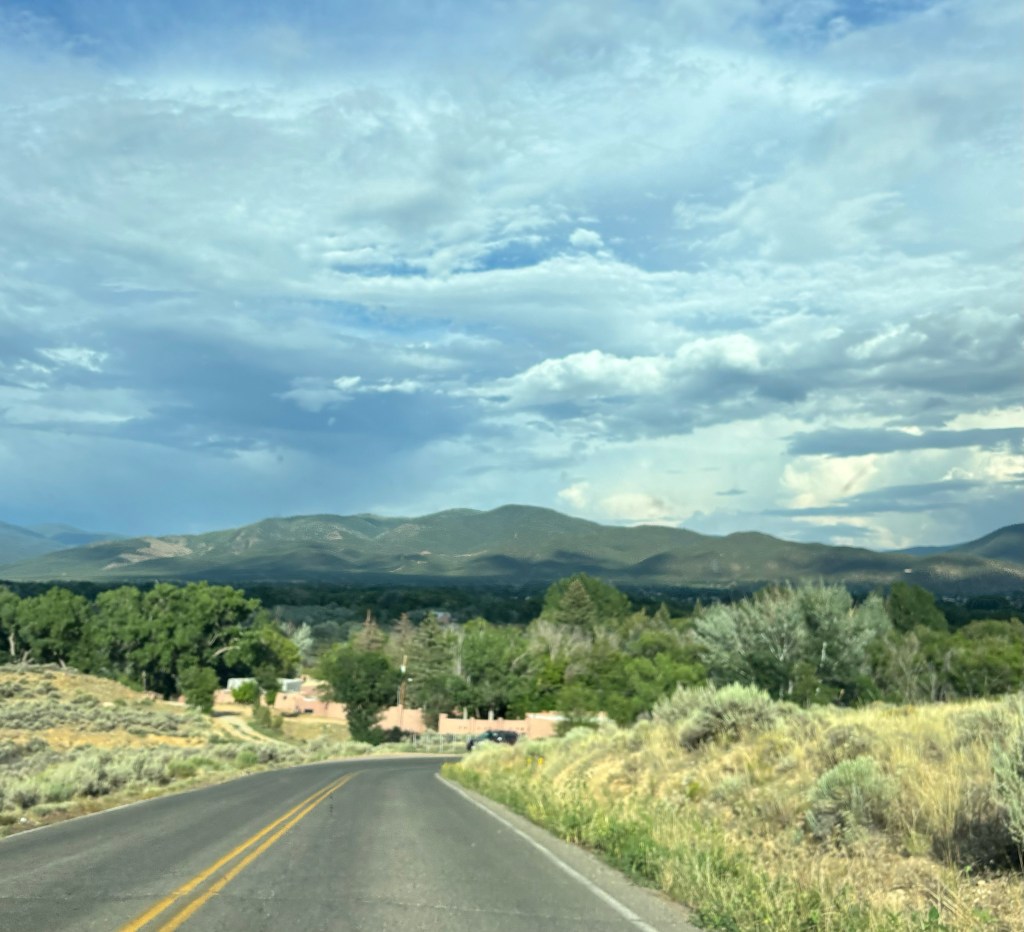
My best traveling friend and I are back in Taos for a long weekend to attend the opening of our friend, Abby’s, opening of her show at a local gallery.

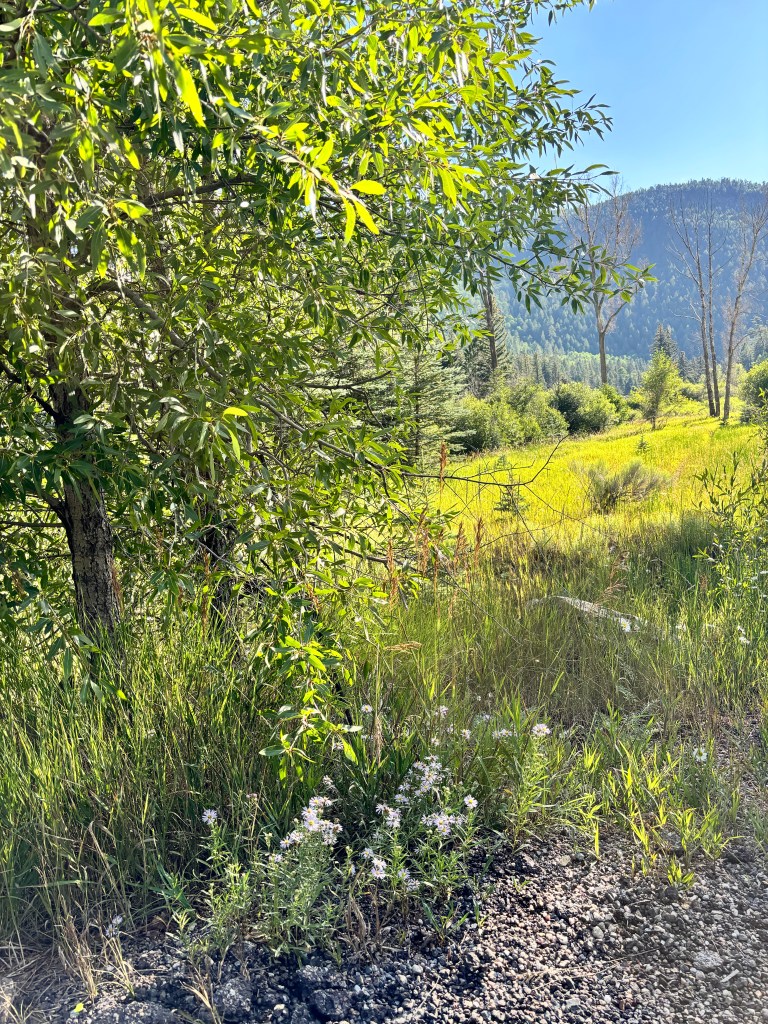
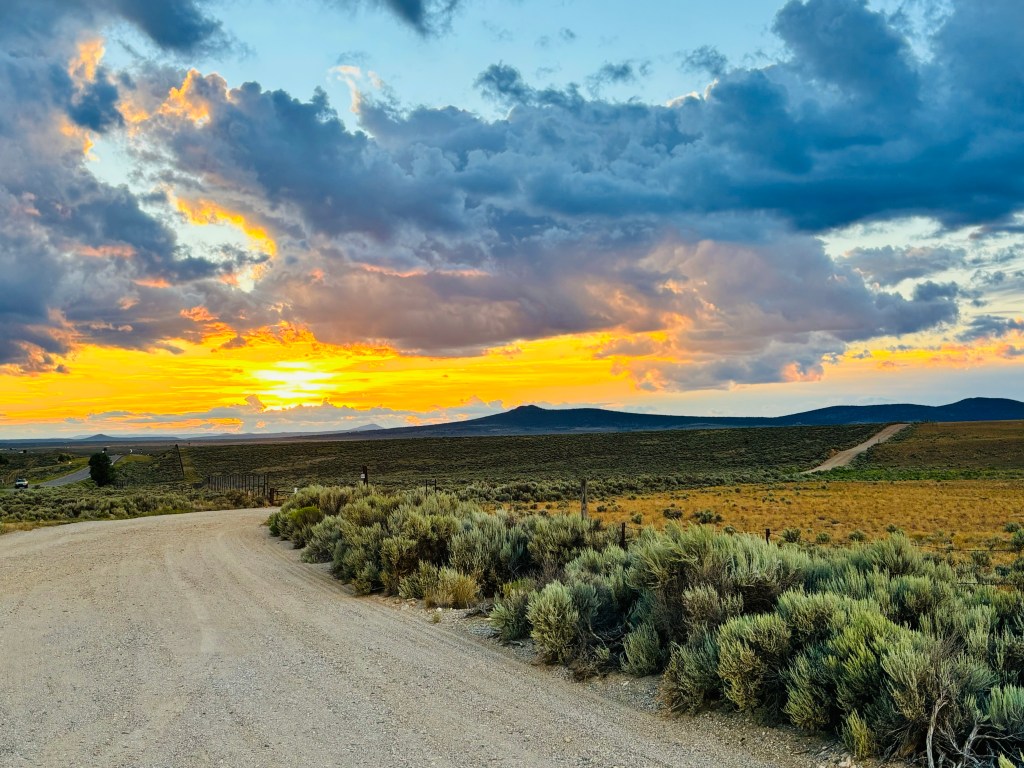
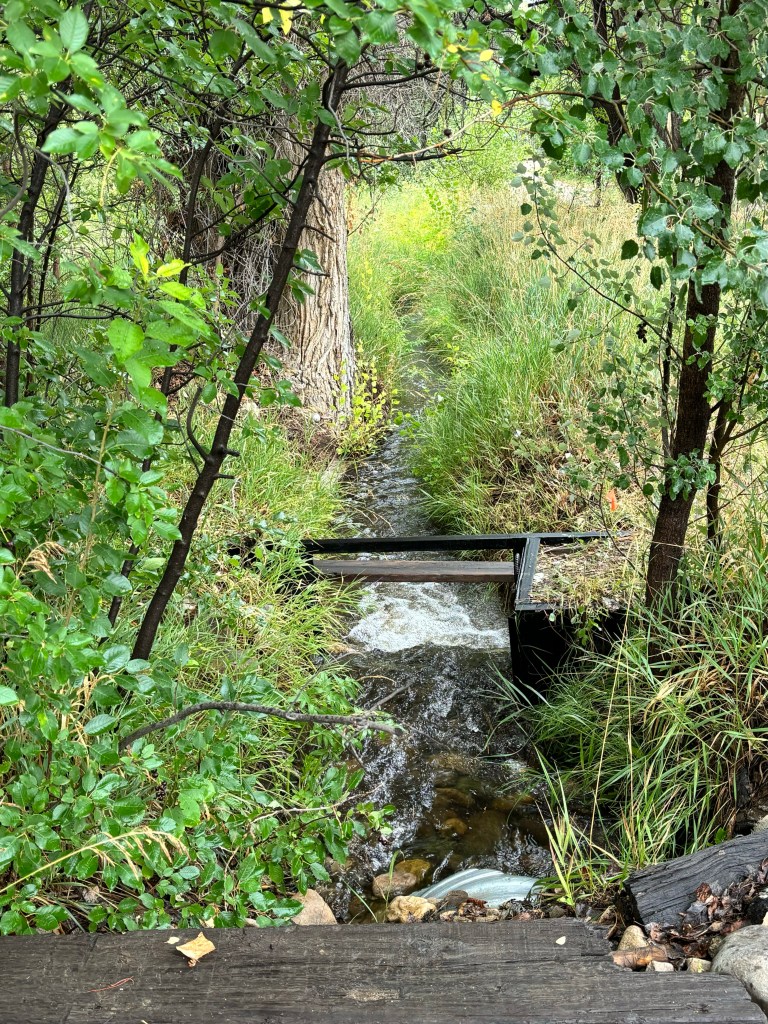
Since we usually are here in the grays, browns, and whites of winter, the summer virditas of New Mexico is full of gob-smackness.

The colors are even more stunning because we’ve had rain everyday. It has been a perfect amount of rain—not too much, not too little; no mosquitoes, and leaving it cool enough to sleep with windows open. Meals can be pleasantly eaten outside.

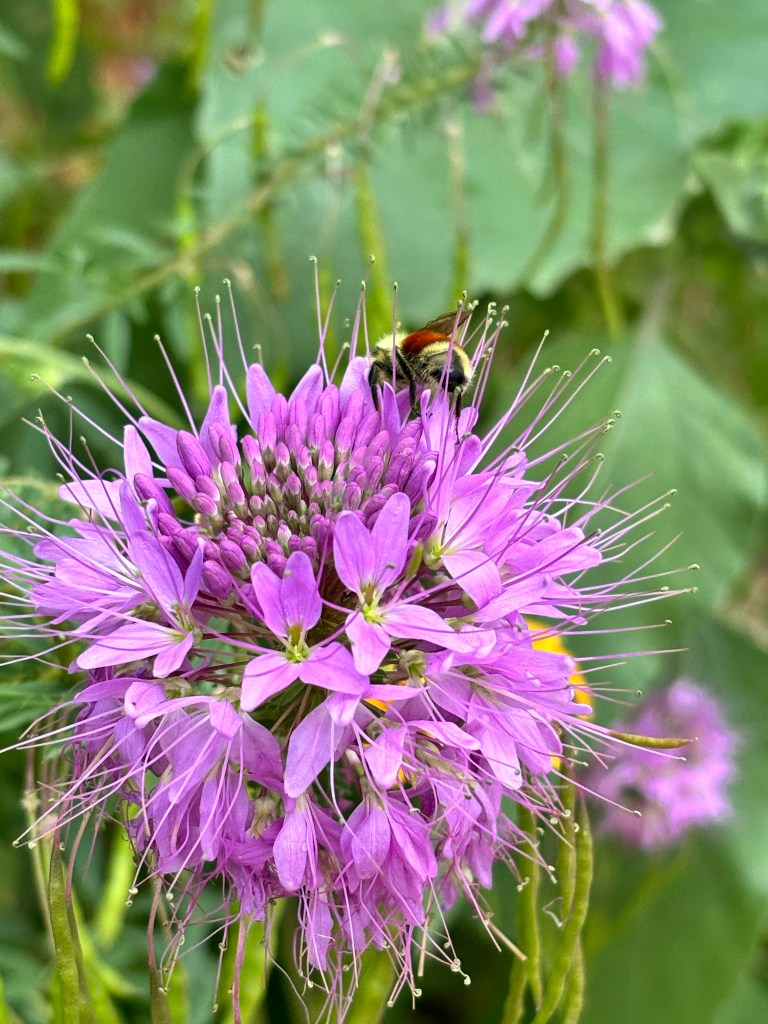
We had an unplanned midday walk yesterday due to unexpected car trouble. Our steps along busy Paseo del Pueblo Sur between the car repair place to our favorite coffee place down the street, where we waited, was lined with wildflowers. A midday walk without a drop of sweat, parenthesed with color.

Virditas.

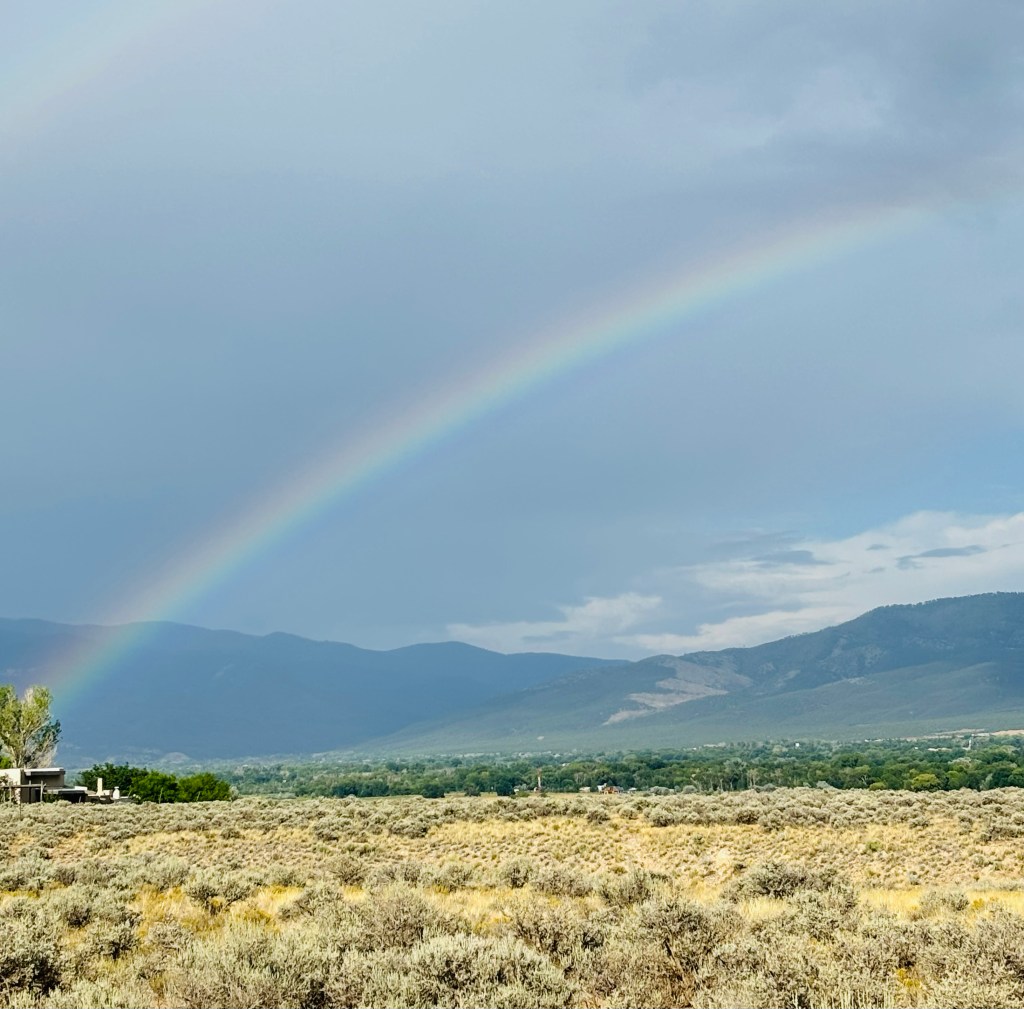
The rain has brought more color with surprise daily rainbows.

Virditas is ever with us. The gift of slow travel in familiar places has given me eyes and pace to sink deeply into the virditas.

Isn’t that a kind of prayer?

Ordinary Time: U is for Unplanned

Having lived seventy-two years, pivoting has become a way of life. Divorce; back surgery; floods, tornadoes, and hurricanes; dying and death; pandemic; raising children; serving as a priest; and, oh yes, the adventures of travel— the unexpected and unplanned is the way of life.

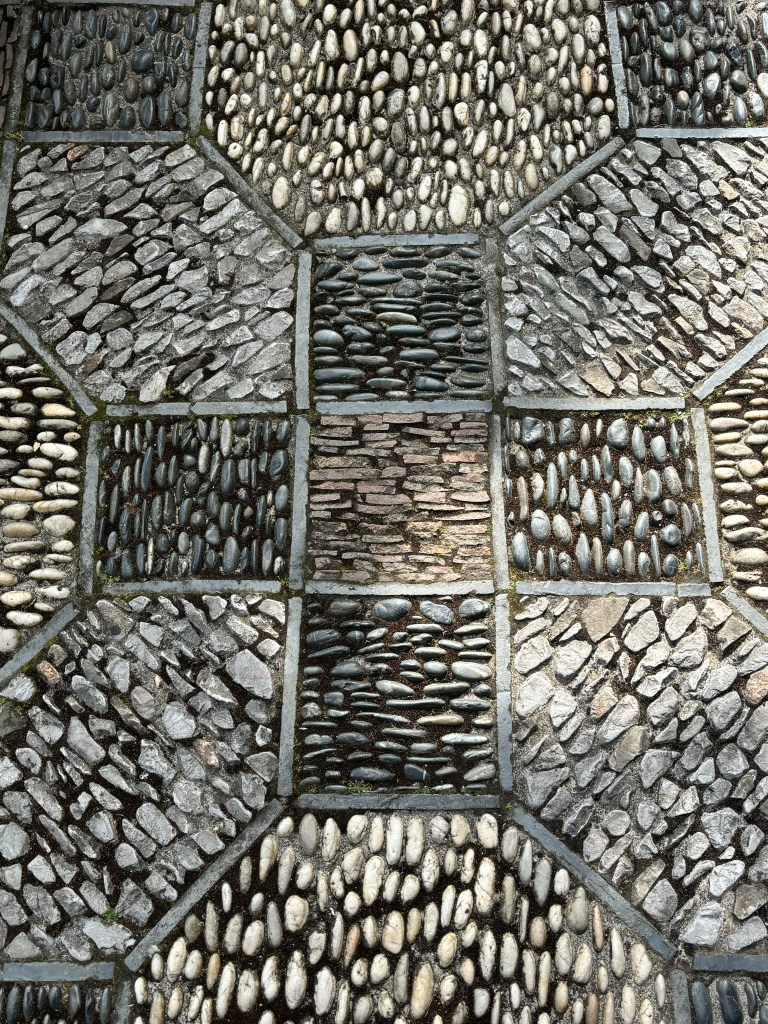
A week ago I was in Portland, Oregon, enjoying a wonderful, joyful day with my grandboys. I was given the gift of an anything can happen day with them while their parents went to a concert. A largely unplanned Sunday, with church in the peace of Lan Su Chinese Garden.

And then the more unplanned. The surveyor helping with the division of my mom’s land in Chambersville could meet with my brothers and me at the end of the week.

Instead of flying back to Houston, as planned, I flew to Dallas to spend a long weekend at the farm. I got to spend the 4th with family. Unplanned. And delightful.

I flew home on Sunday to our unplanned hurricane.

Still. Even if I don’t have battery powered fans to keep me cool, I found these two hand fans left from a march a few years ago:

Still. Even if I didn’t have an ice chest or generator, I found good coffee, ice, conversation, air conditioning, and a free outlet at a well-named local place:

As I sat and looked around this rare place nearish my home with electricity, among the assorted, random group gathered, I pondered the common bond we shared of the unplanned life. No one seemed particularly full of glee (except for a toddler who had found a table number that made the perfect toy); but in our common bond, we shared what we had (an empty chair, an unused outlet), we were kind, we smiled, and we were safe. We had access to food, to drink, and clean restrooms. We could sit a spell. I read my Bible and prayed. Others set up their office at a table and had meetings. I had enough financial resources to buy delicious food and not be concerned about spending the money.

It may not have been the answer to prayer I’d wanted (pleaseGodpleaseGodpleaseGod restore our electricity), but it may have been the yes to my prayer for peace.

Ordinary Time: T is for Takk

All those trips to Iceland, and I can barely speak the language. I am not proud of that. The one word I do know and use is “takk” which means “thank you.” Not a poor word to know.

So. Takk for puffins—those birds that are a testimony to God’s creativity. And Takk! that my best friend and I were able to drive the long, bumpy road, to a cliff overlooking the ocean, and not be blown into the sea by the high wind, where I got to see the one puffin that came close enough to pose for us who couldn’t do the hike to the top of the cliff to see the whole flock.

Takk! for insurance and savings and friends who help and encourage when storms hit Houston, once again.

Takk for welcoming worship on a Sunday morning—with music and sermon and greetings that help me to be the Church outside the church window in my week ahead.

Takk for schools that invest in the arts, and for teachers who give so much of themselves to inspire a generation of youth, who learn to create and collaborate with others through music.

Takk that I have the time and financial resources and the welcome on arrival to travel the many miles to hear my grandson play his alto saxophone.

Takk for travel and home.

Takk for Iceland and Houston and Oregon—and a God who would create such unique places for the joy and delight of it.

Takk for people who love me and for the people I love.

In this Ordinary Time, a season of Takk.

The Day of Pentecost: Speaking in Tongues

Today is the last day of Easter—the Day of Pentecost.

When the day of Pentecost had come, they were all together in one place …..All of them were filled with the Holy Spirit and began to speak in other languages, as the Spirit gave them ability. (Acts 2)

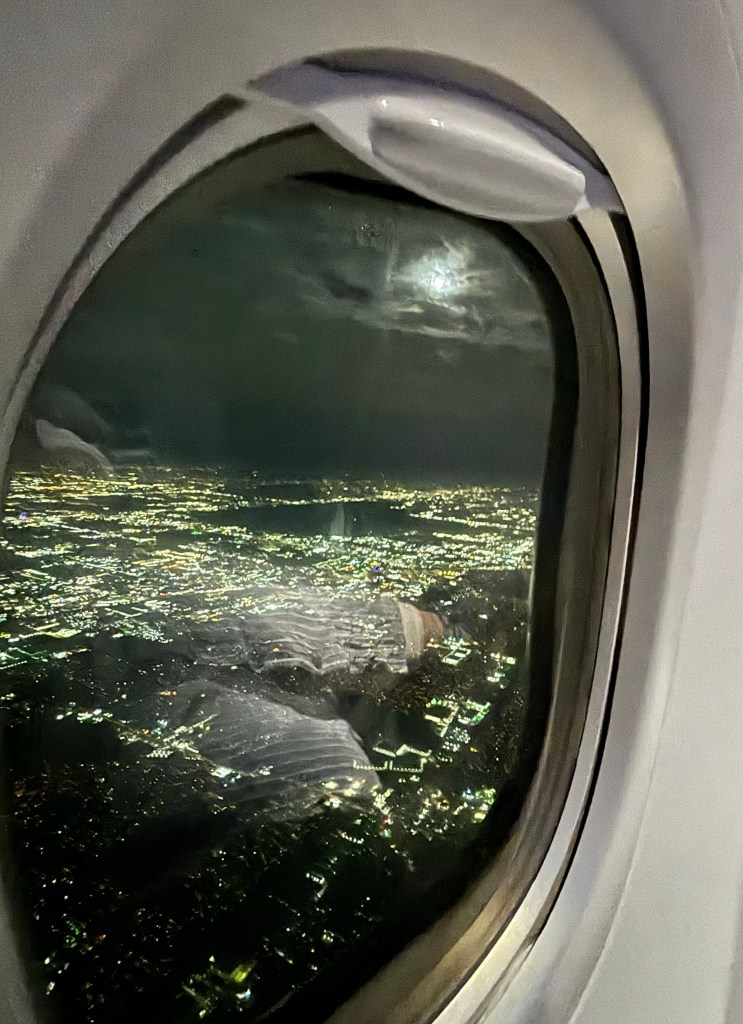
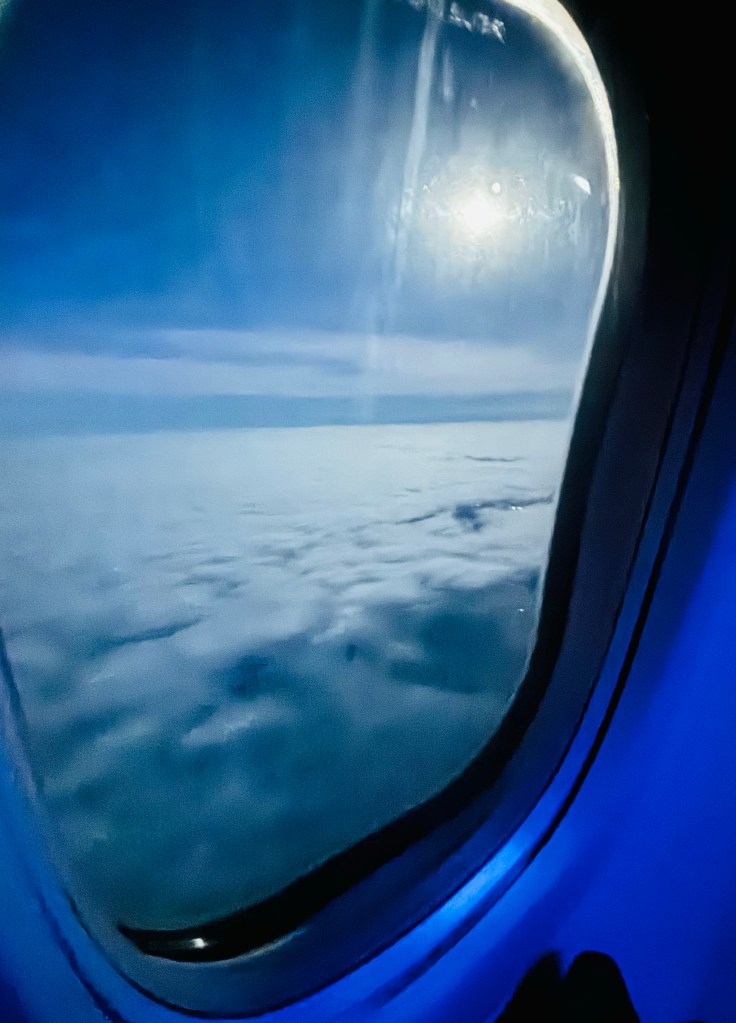
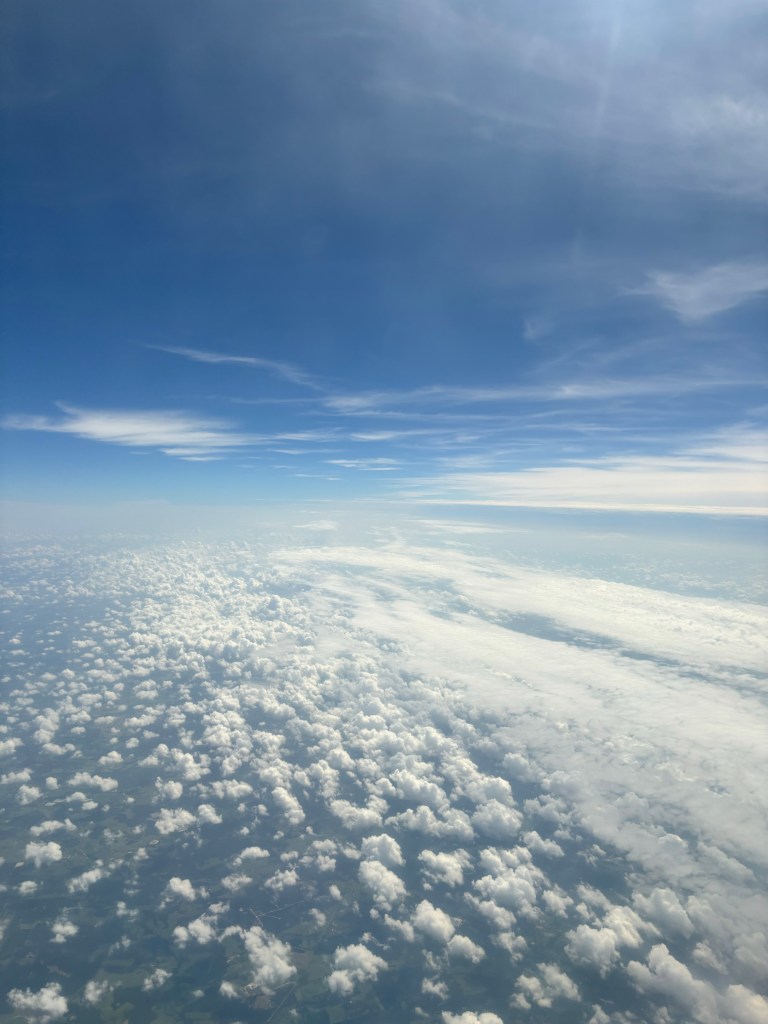
On this Day of Pentecost I am traveling home from Iceland. I’ve been especially mindful today of the people from all over the world that I’ve met. My ears more often than not heard words I could not understand.

On a particularly difficult road my friend and I traveled on the way to a remote area of the Westfjords, we listened to a conversation between David Brooks and Kate Bowler about how to really know another person. They talked about how to see (and listen to people) as beloved children of God.

I’ve celebrated this day of Pentecost by trying to put what I heard them say into practice. Being away from home surrounded by people from all over the world, I’ve tried to slow myself down and ask questions and listen. Not assuming I know people’s story and allowing them time to tell me has been beyond rich.

I’ve discovered that the travel industry is a good entry into the work force. Almost all of the service portion of the industry are immigrants. Most are still learning English.

My friend sometimes needs a little assistance when we have to walk long distances. Our very kind helper in Chicago, Amine, was from Morocco. He began learning English less than a year ago, and said if we talked more slowly he could understand us better.

Speak slowly. Pause to listen.

On the Day of Pentecost, each one heard them speaking in the native language of each. (Acts 2)

Is this one way we can all understand? Is this a gift of tongues today?

Speak more slowly. Pause to listen.

Look into people’s eyes. When appropriate, a smile is a language we all understand.