One of the priests I serve with has been teaching us to sit a spell. The invitation is to slow down and listen as a way of building relationships. For me it’s a way to turn walls into bridges.
I’m taking a vacation which is a fine way to practice sitting a spell. I’m meeting my best friend in New Mexico for a long Memorial Day weekend.
I began my sitting a spell (literally and metaphorically) on the plane over. I always have lots to do to fill the time when traveling, but this trip I decided to put my books and games aside and sit a spell and look out the window. The entire flight.
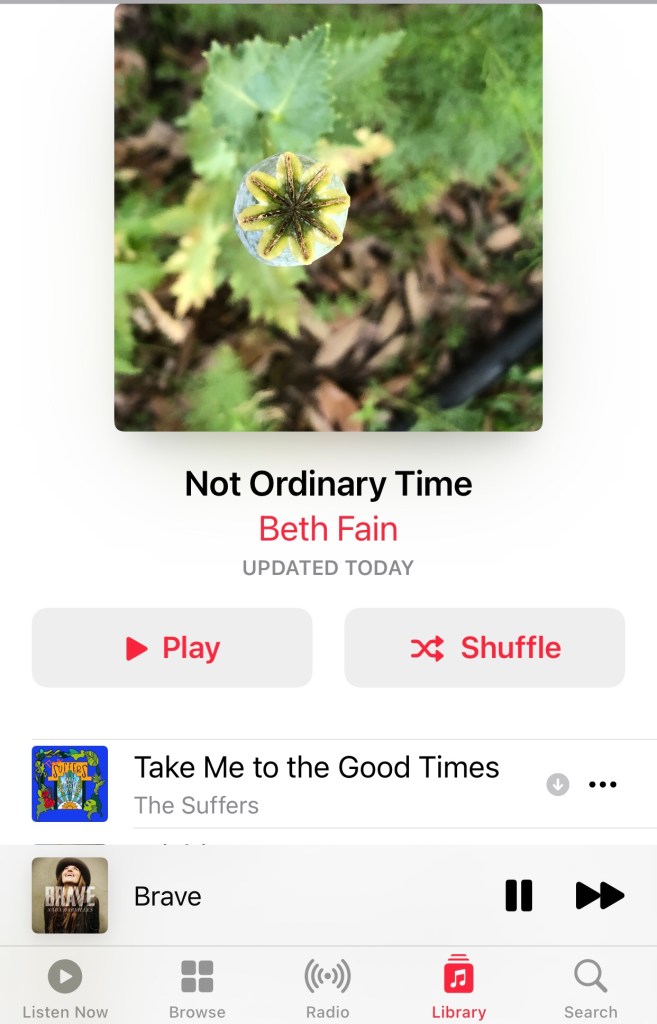
As I sat a spell and looked out the window, I put my music library on shuffle and, as a song met me where I am, I put it on a new playlist I titled Not Ordinary Time.
The airport was full to the brim with travelers. Plane after plane was queued up waiting its turn on the runway.
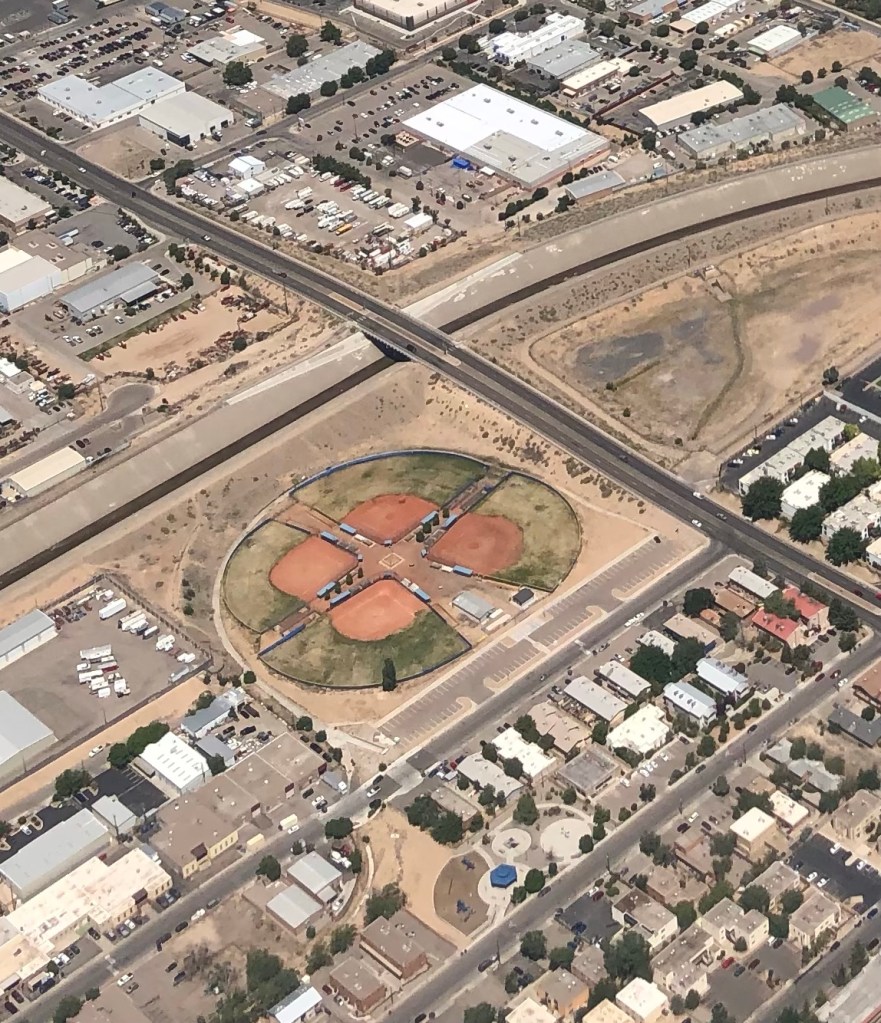
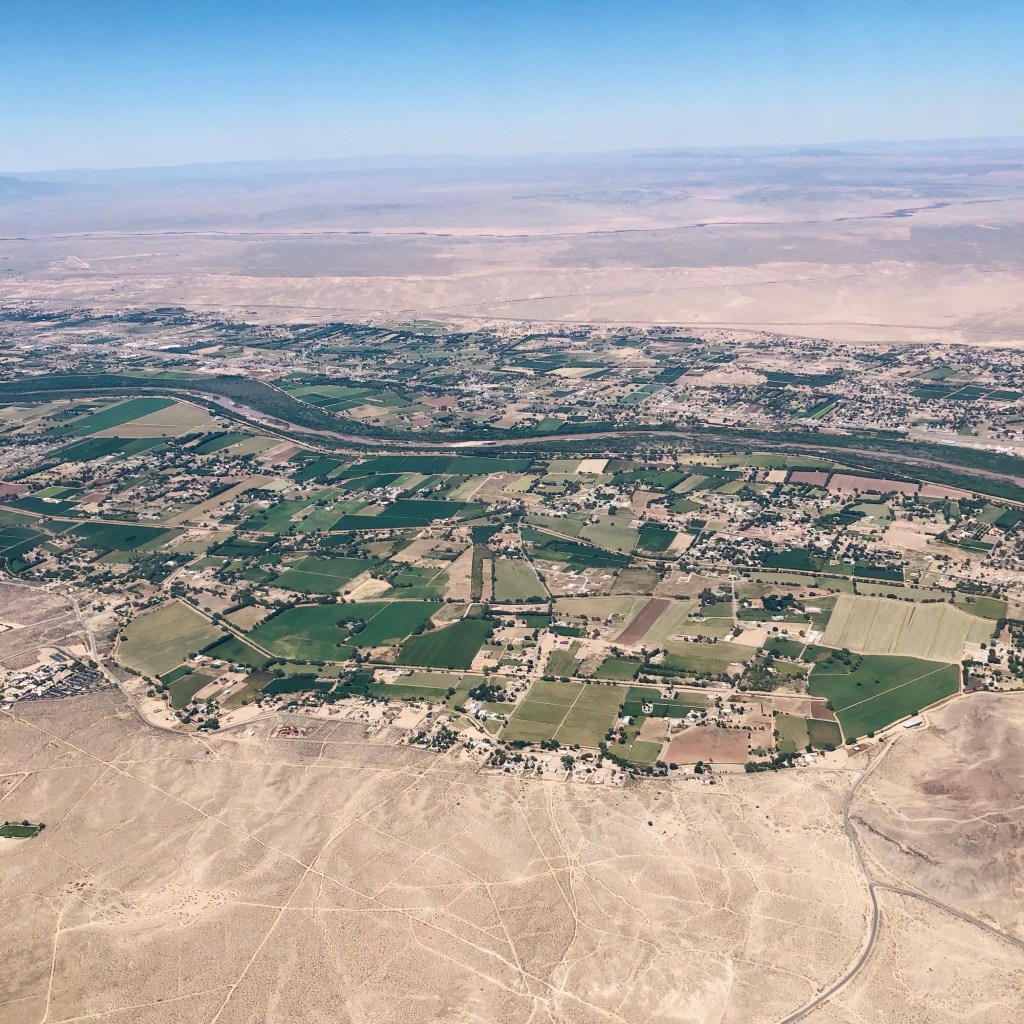
Sitting a spell for the two hour flight, the changing landscapes outside my window rivaled any art I’ll see in the museums that will be part of my visit. It was a lectio divina from miles above the earth.
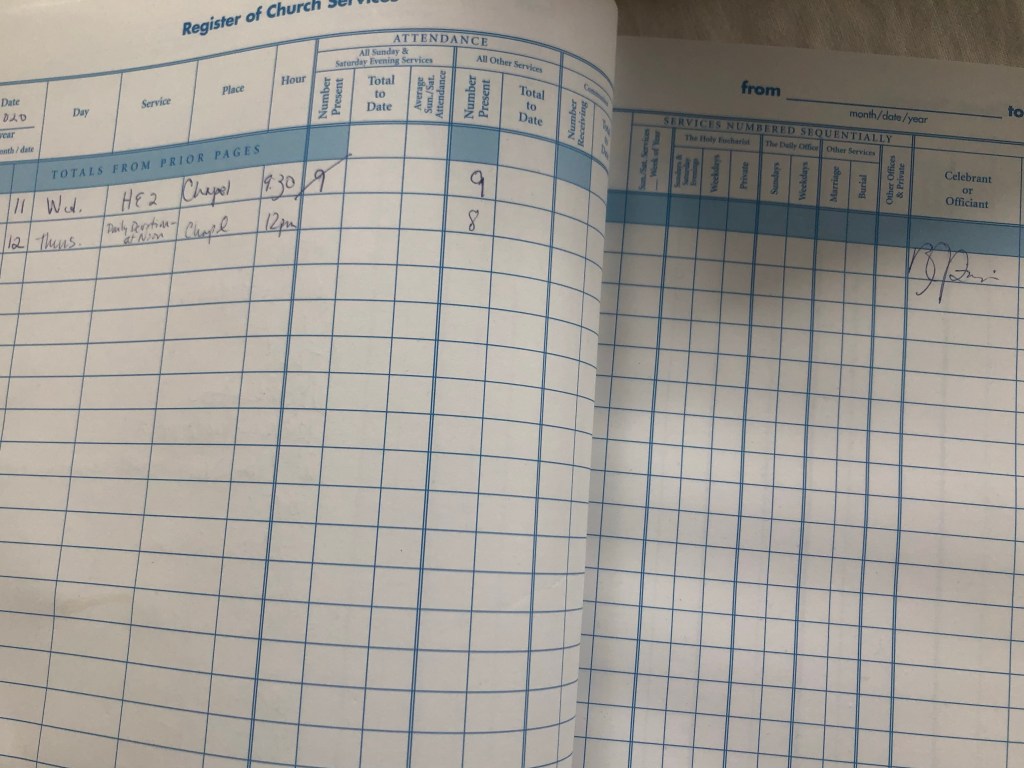
The last time I celebrated Holy Eucharist was at a Wednesday Eucharist in the Diocesan chapel in Houston during Lent, 2020. Two days later the office closed because of the pandemic, and we moved home to work.
For a couple of weeks. Ha.
This third Sunday of Easter, 2021, I will celebrate the Eucharist at St. Paul’s in Navasota, Texas.
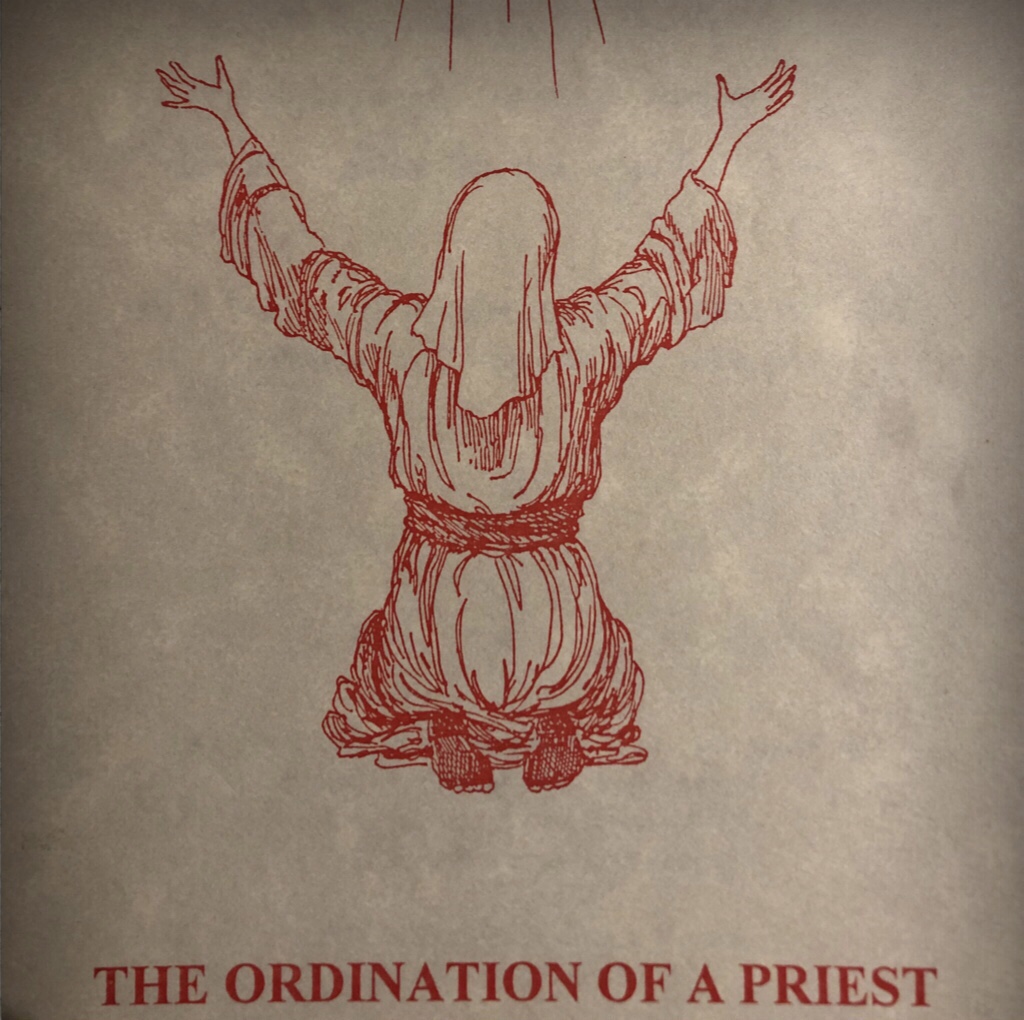
Once ordained a priest, always a priest (unless renouncing my vows or being deposed). However, this is the weekend I begin doing priestly things. Again.
First I will travel to Camp Allen on Saturday afternoon to teach at Iona School for Ministry. It will be my first time to teach in person since 2020. As God would have it, I am teaching a class on Reconciliation of a Penitent.
After I preach and celebrate and meet with the Vestry at St. Paul’s, I will return to Camp Allen to meet with the Small Church network on Sunday and Monday. A few members of my team will be leading congregational leaders of churches with less than 75 members to process what they’ve learned during the pandemic and how they can apply that to what God is leading them to do next.
It will be my first time to be part of leading an in-person retreat in over a year.
After thirteen months of driving almost nowhere, I’ll be back in my office on wheels—also called my Prius. Doing prayer and lectio divina on the Diocesan roads.
But first I have to finish my sermon for tomorrow and my PowerPoint for tonight. And ponder again what it really means to be a priest.
Anne Lamott says that laughter is carbonated holiness. These past four days have been bubbling grace. Topo Chico, club soda, and Mountain Valley. I feel covered in sparkling water as I return to work tomorrow. In a good way.
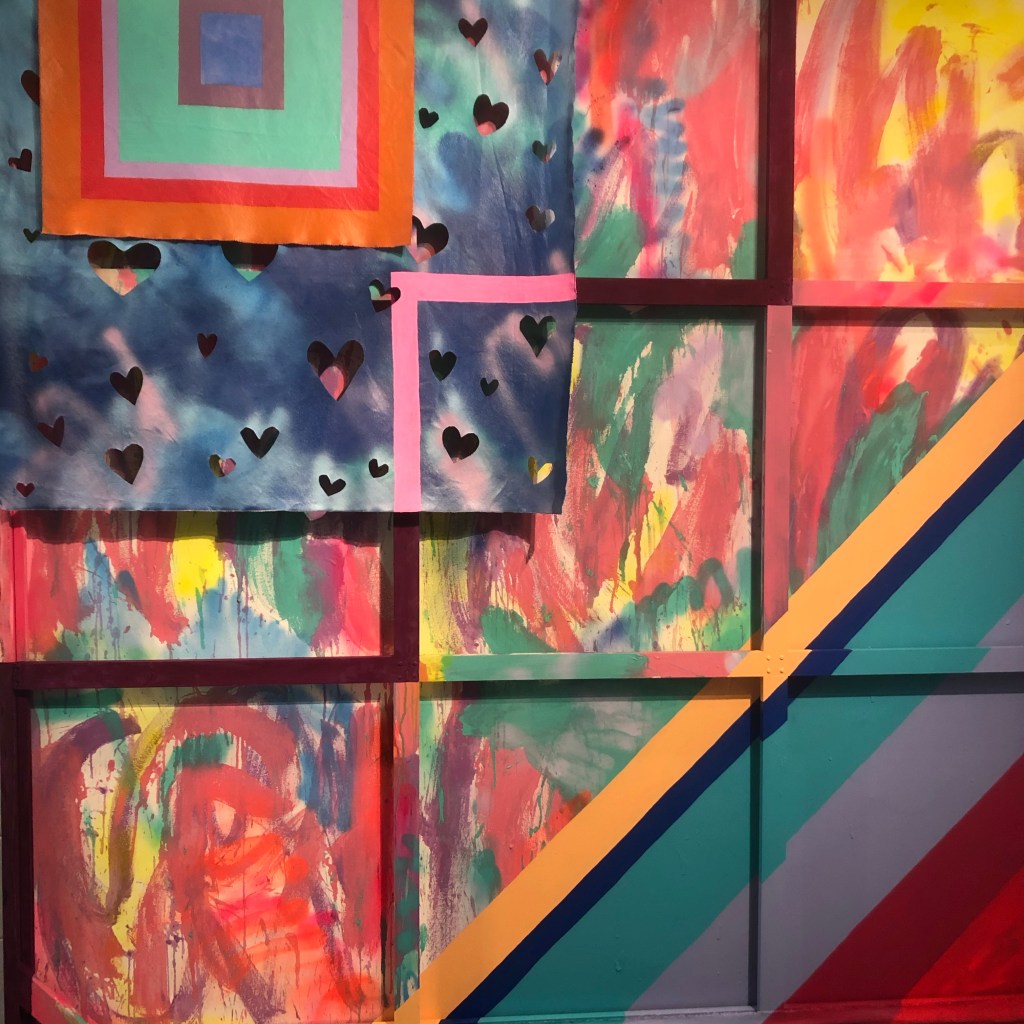
Everyday was a new museum exhibit.
Afternoons praying with the Sisters of our Lady of Grace.
Knitting. Reading. Chit chatting. Walking.
And yes. So much laughter.
In the already, still and not yet of the beginning of the second year of the pandemic, I am grateful, so grateful, for this masked, socially distanced, vaccinated opportunity to travel. I yearn it for others as well.
Four days of contemplating art and craft created by all sorts of others was an immersion into the presence of the Creator who began it all. And then when laughter was so often a part, too, that is Holy.
My best friend and I have been traveling together since 1992. Even when she moved to Georgia in 2003, we still were able to go on trips together, usually at least once every season.
Not imagining that the country was about to close due to the pandemic a year ago, we had decided to take what we call “a lark” to one of our favorite museums, Crystal Bridges, in Bentonville, Arkansas. We wanted to view an exhibit, All Things Being Equal, which featured the art of Hank Willis Thomas. It was a deep exploration of the African American experience.
Little did we know that it would be our last trip together for a year. Little did we know how the exhibit would inform what would unfold in the months ahead as the pandemic deeply exposed the even more serious divides of color, economics, and access in our country.
So many times as my friend and I moved through the year cancelling trips planned together and others to visit family, we would be ever so thankful for that quickly planned and taken trip in February, 2020.
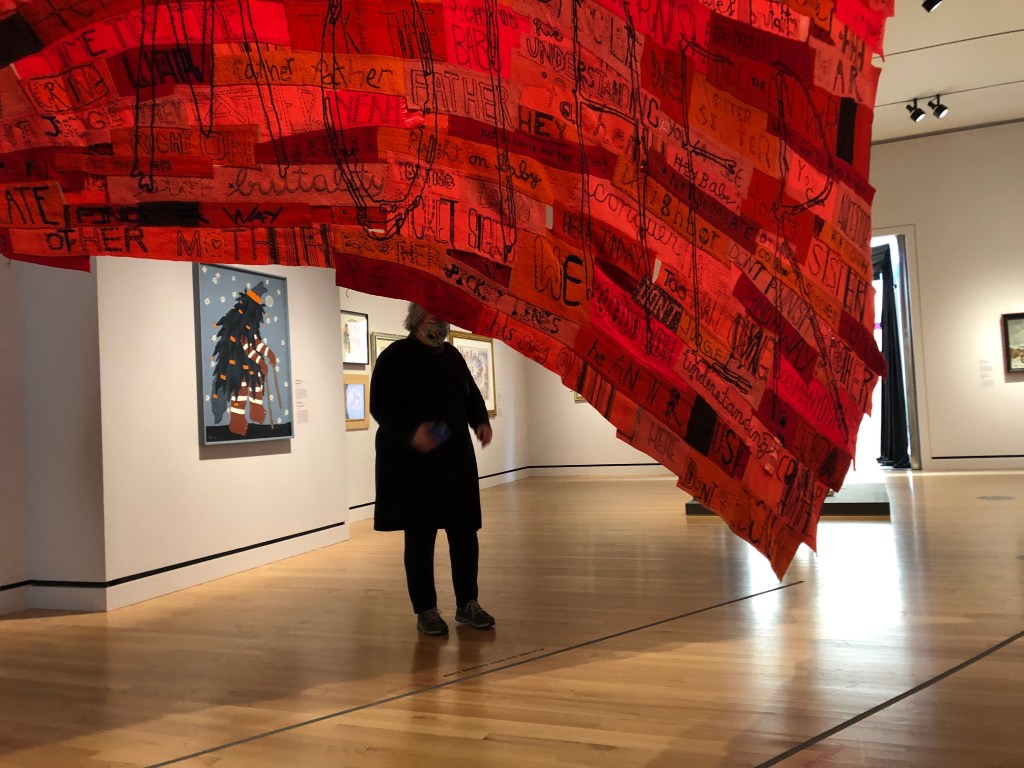
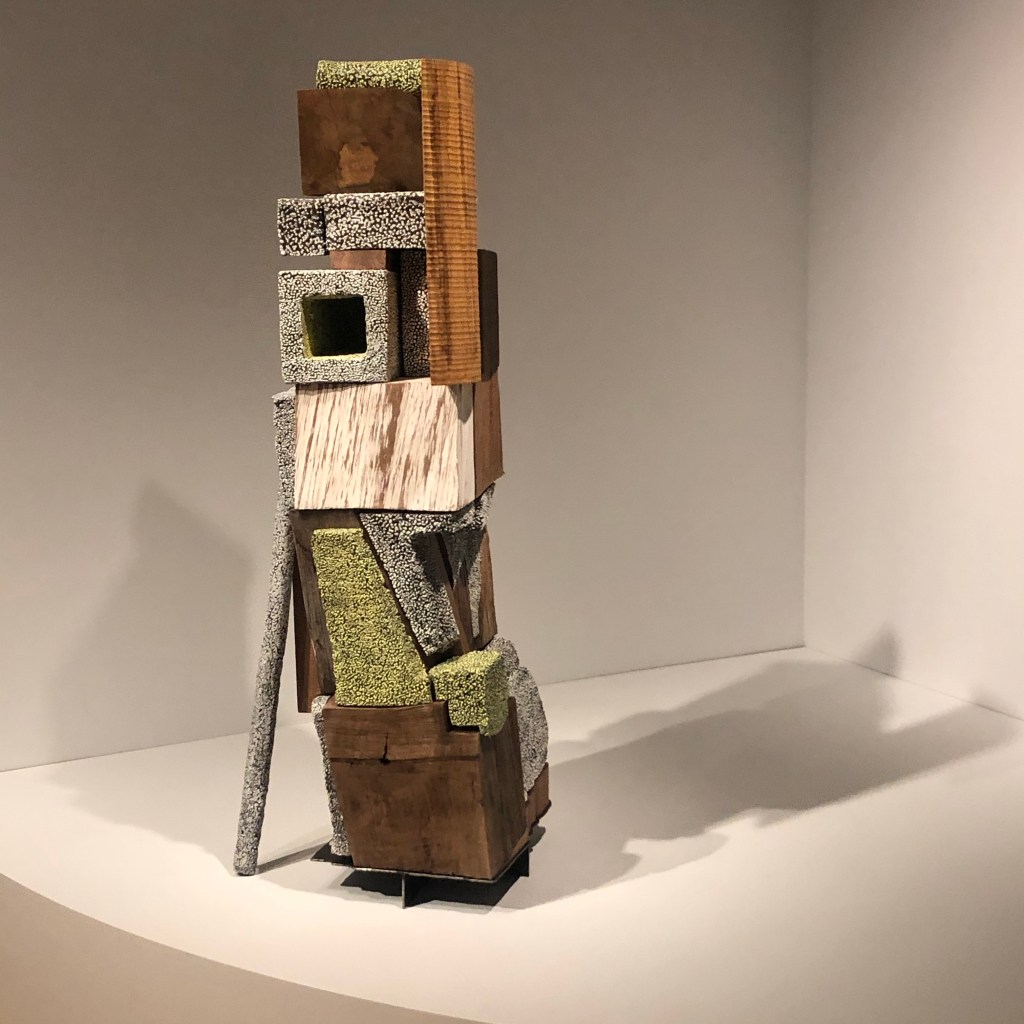
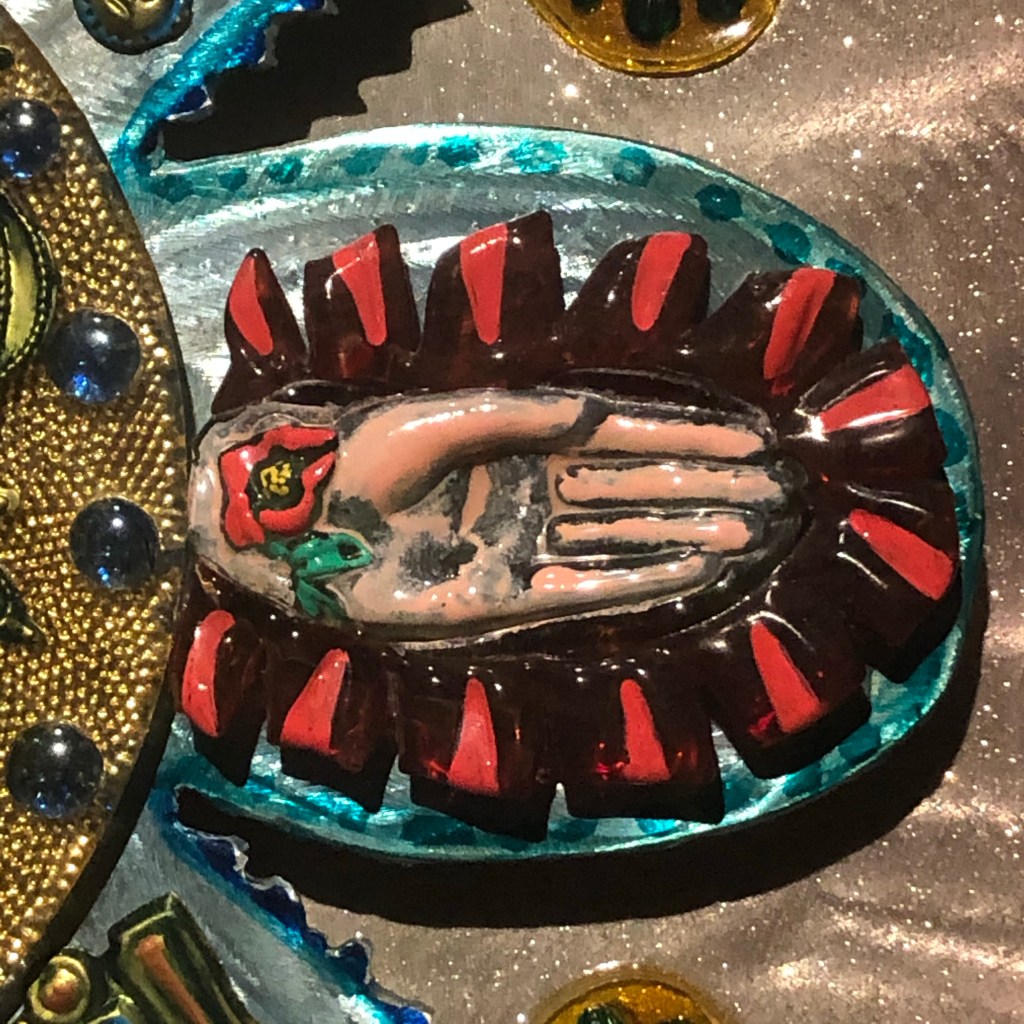
Newly vaccinated, one year later, we booked our first trip together for a new exhibit at Crystal Bridges, Crafting America. This exhibit celebrates the stories told through that which we create with our hands.
The exhibit features craft by people who are both native to our country and who immigrated from a variety of countries for a variety of reasons.
One piece that gave me pause was a chest of drawers created by Gentaro Kenneth Hikogawa, a man imprisoned in a Japanese American internment camp during World War II. Needing a place for storage in that prison, he used scrap lumber and packing crates to create something of great beauty. It now sits in a museum and tells a story.
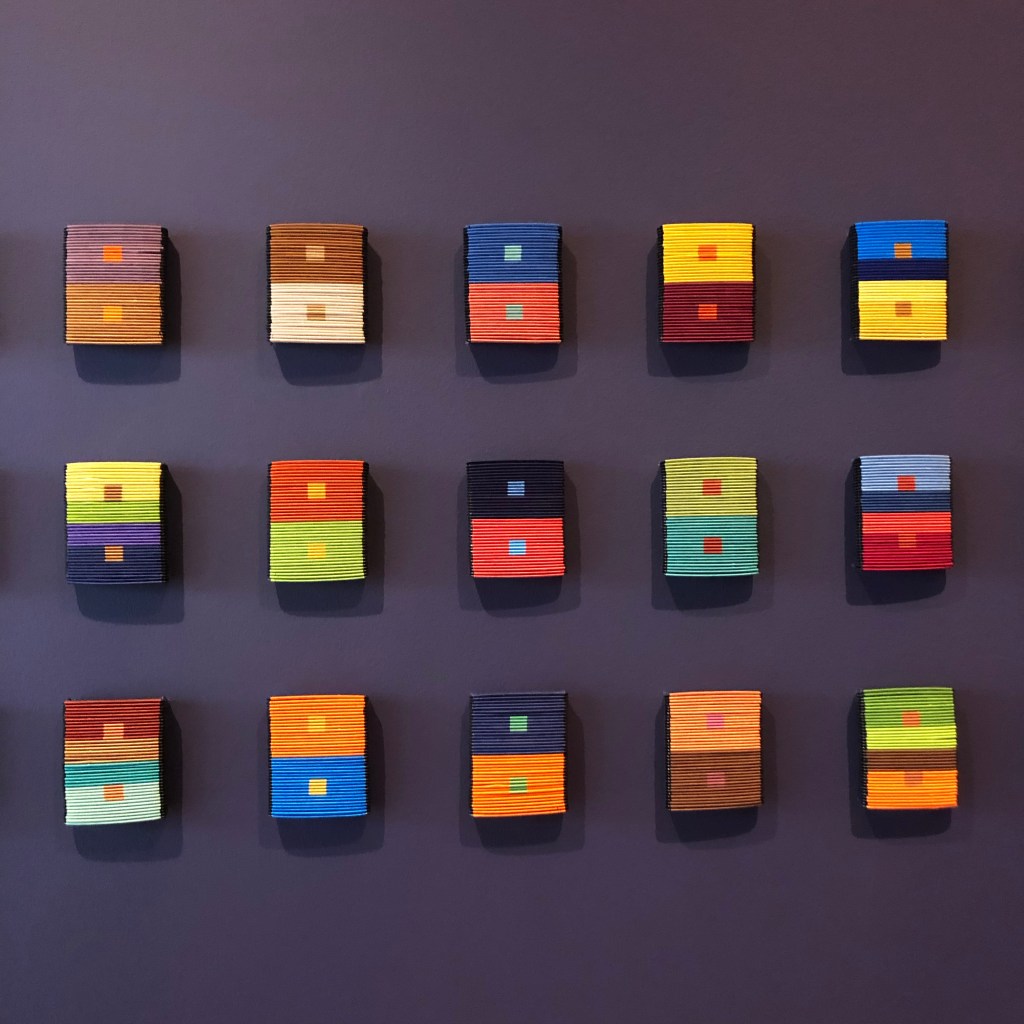
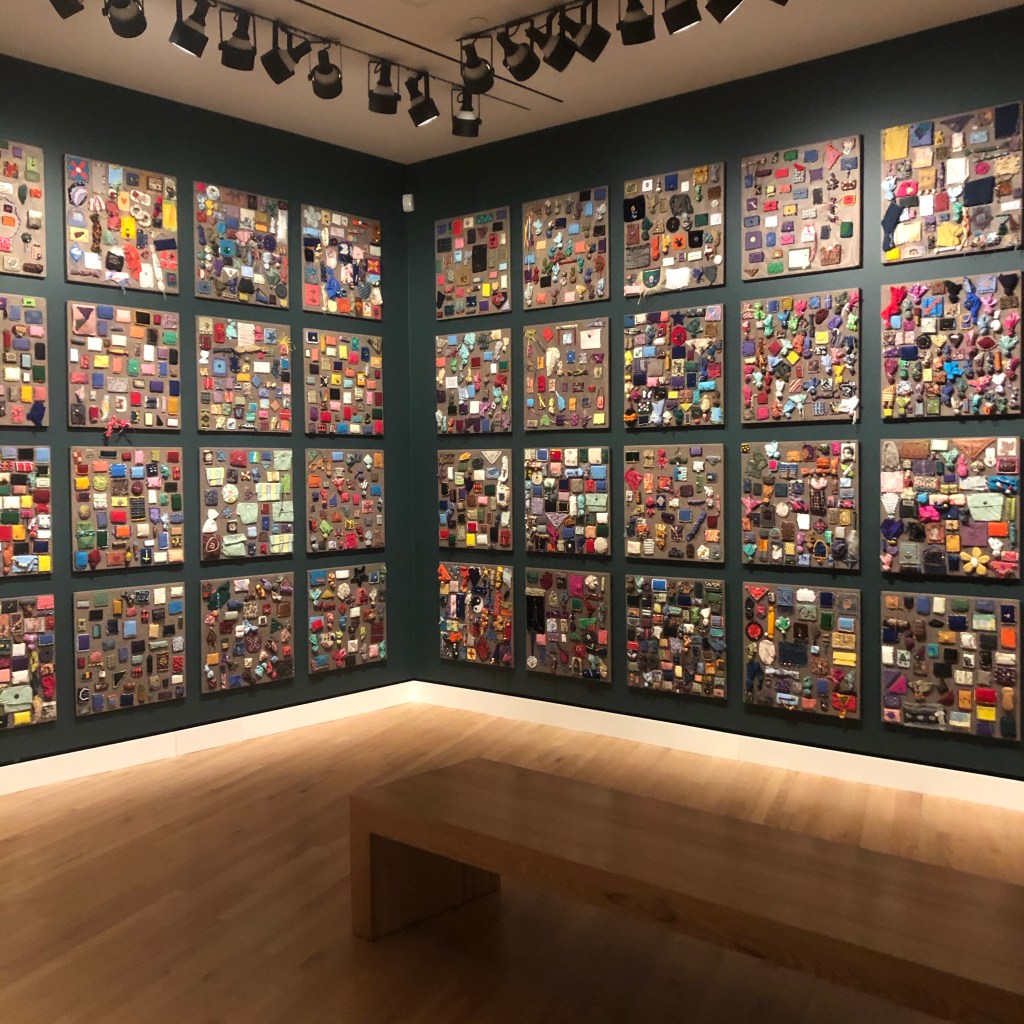
Another part of the exhibit displayed “beaded prayers.” For the past twenty years, Sonya Clark has invited others of all ages to create prayers from scraps and beads to express grief, hopes, and dreams. Over 5000 people from thirty countries have crafted duo prayers—one to keep and one to join the communal artwork.
The exhibit covered four walls, and the room shimmered with holiness when I entered. Each little creation had a story from the depth of a person’s heart.
We may think of crafts as being second to art. The exhibit reminded us that the root of the word craft means “strength” or “power.” In this year that has passed, so many times I have had no words for the depths of my feelings. This exhibit reminded me that there are many ways to express thoughts and feelings through hand work.
From baking bread to cleaning dusty blinds to hand written letters to songs sung to paths walked.








 House of Grace