It is Holy Saturday, and Jesus is in the tomb. It is the one day in the Church calendar when Holy Eucharist cannot be celebrated. It is the one day when Jesus cannot be present at the table.
Like those who loved Jesus, Joseph of Arimathea, Nicodemus, Mary Magdalene, Mary the mother of Joses, and other nameless women, a handful of us will gather at Forest Park Cemetery to bury the mother of a parishioner.
Someone was surprised that we would do a burial during Holy Week–it’s Holy Week! Already, two other folk had died, and we are waiting to do their burials Easter week, the week of the resurrection.
But when this beloved parishioner asked if we could bury her mother on Holy Saturday, at the request of her father, having buried his son and her brother two weeks ago, it somehow seemed meet and right so to do.
It will be a simple graveside service. But even though Jesus is in the tomb, in the midst of kairos, Jesus is resurrected, too, and even at the grave we will make our alleluias.
We will hear a portion of the Gospel we will read for the Feast of the Resurrection in the morning.
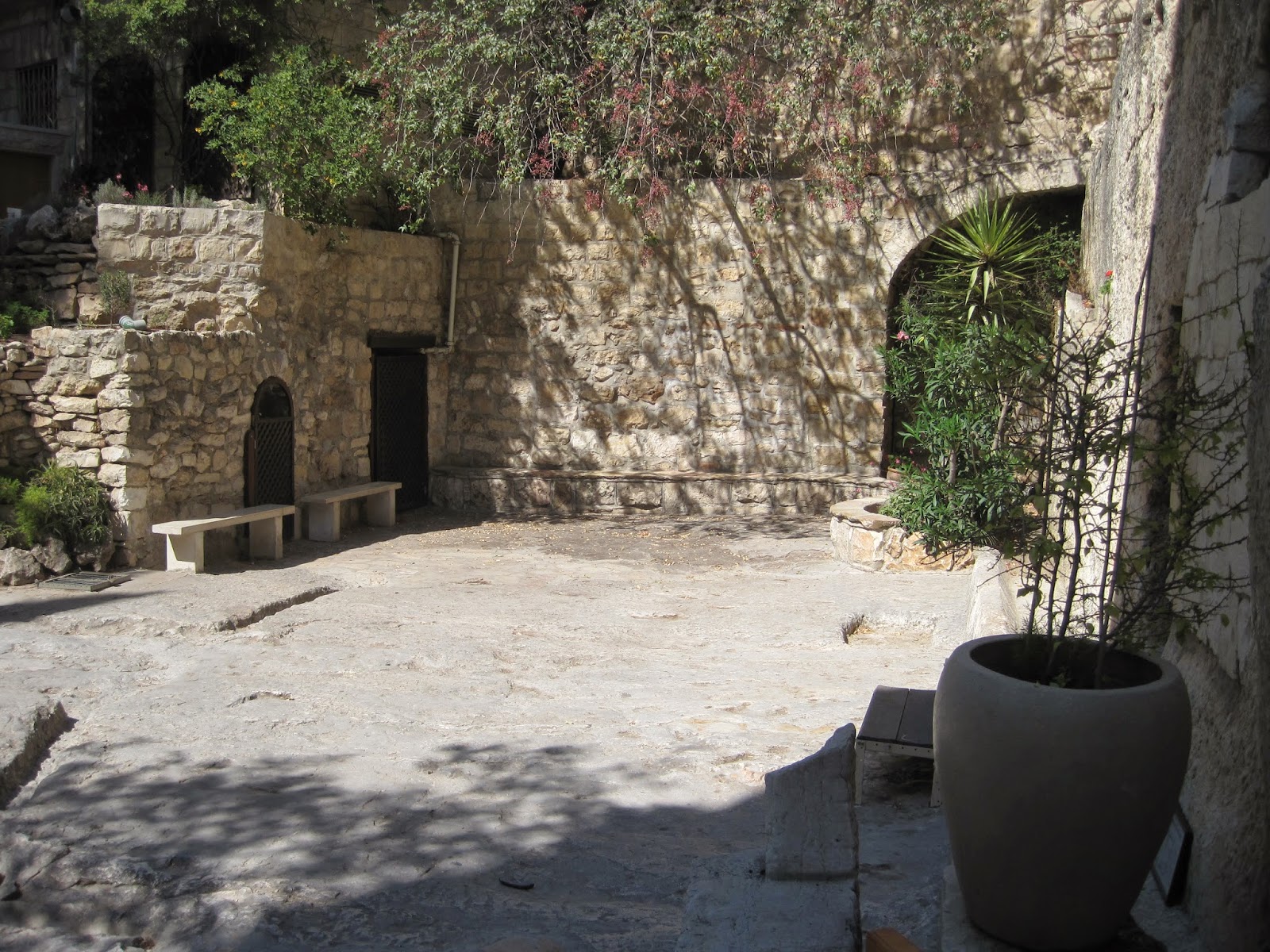
Early on the first day of the week, while it was still dark, Mary Magdalene came to the tomb and saw that the stone had been removed from the tomb.
……. Mary stood weeping outside the tomb. As she wept, she bent over to look into the tomb; and she saw two angels in white, sitting where the body of Jesus had been lying, one at the head and the other at the feet.
They said to her, ‘Woman, why are you weeping?’
She said to them, ‘They have taken away my Lord, and I do not know where they have laid him.’ When she had said this, she turned round and saw Jesus standing there, but she did not know that it was Jesus.
Jesus said to her, ‘Woman, why are you weeping? For whom are you looking?’
Supposing him to be the gardener, she said to him, ‘Sir, if you have carried him away, tell me where you have laid him, and I will take him away.’
Jesus said to her, ‘Mary!’
She turned and said to him in Hebrew, ‘Rabbouni!’ (which means Teacher).
…….Mary Magdalene went and announced to the disciples, ‘I have seen the Lord’; and she told them that he had said these things to her. (John 20. 1, 11–16, 18)
We will weep, but we will also watch for Jesus, too.
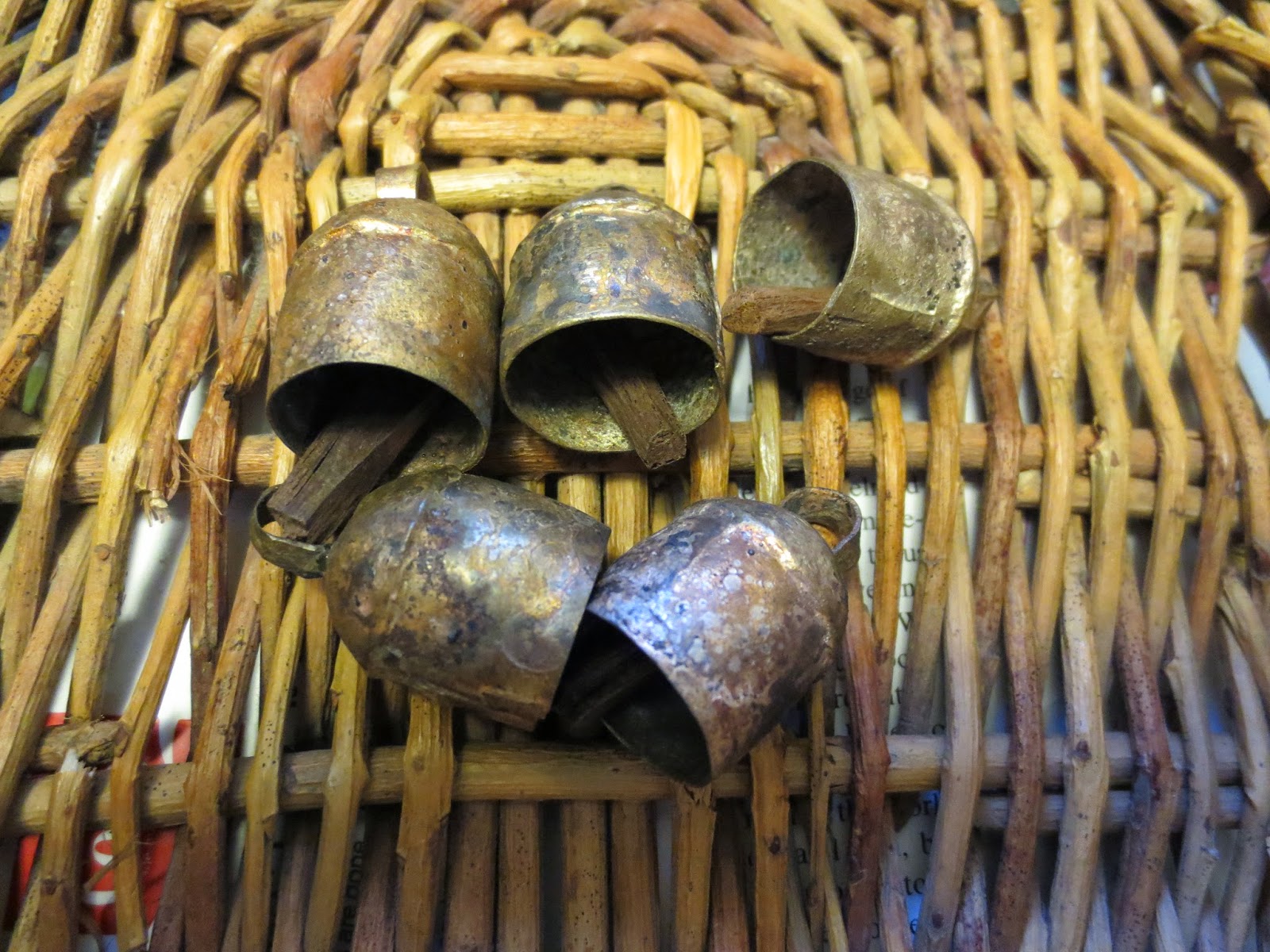
I am taking a gift with me as a reminder that grief and sorrow also bring resurrection. It’s a bell that I purchased in a fair trade store years ago, waiting for the right recipient. It’s called a desert bell, and was made as a source of income by a nameless person far away.
The bell is hammered brass, and after it is beaten into shape, the bell is buried in a kiln beneath the desert where it sits and tempers and bakes and changes. Before it can make a lovely sound, it goes through tribulation and fire and even a kind of death. It is the burial in the desert that gives each bell it’s own unique patina and tone.
It is our custom to ring bells at the first alleluias tonight at the Great Vigil of Easter, and to ring them whenever we proclaim alleluia throughout the Great Fifty Days of Easter. Our parishioner may not be able to ring her desert bell tonight, or even for fifty days. It will be a while before she has alleluias in her heart again.
But the bell is there. Ready. On that day when she can, like Mary of Magdalene, even at the grave, make her alleluias. Meanwhile, we wait in prayer with her.





 House of Grace